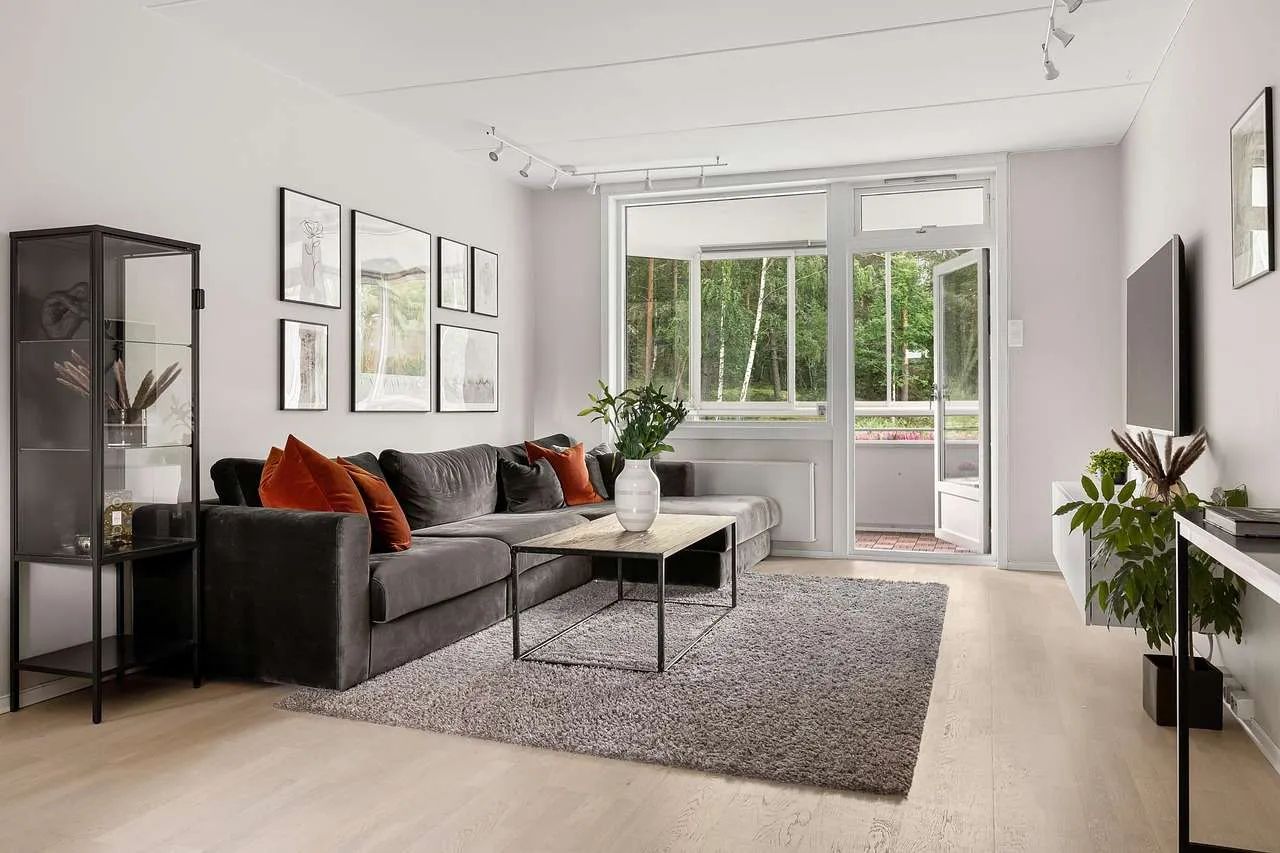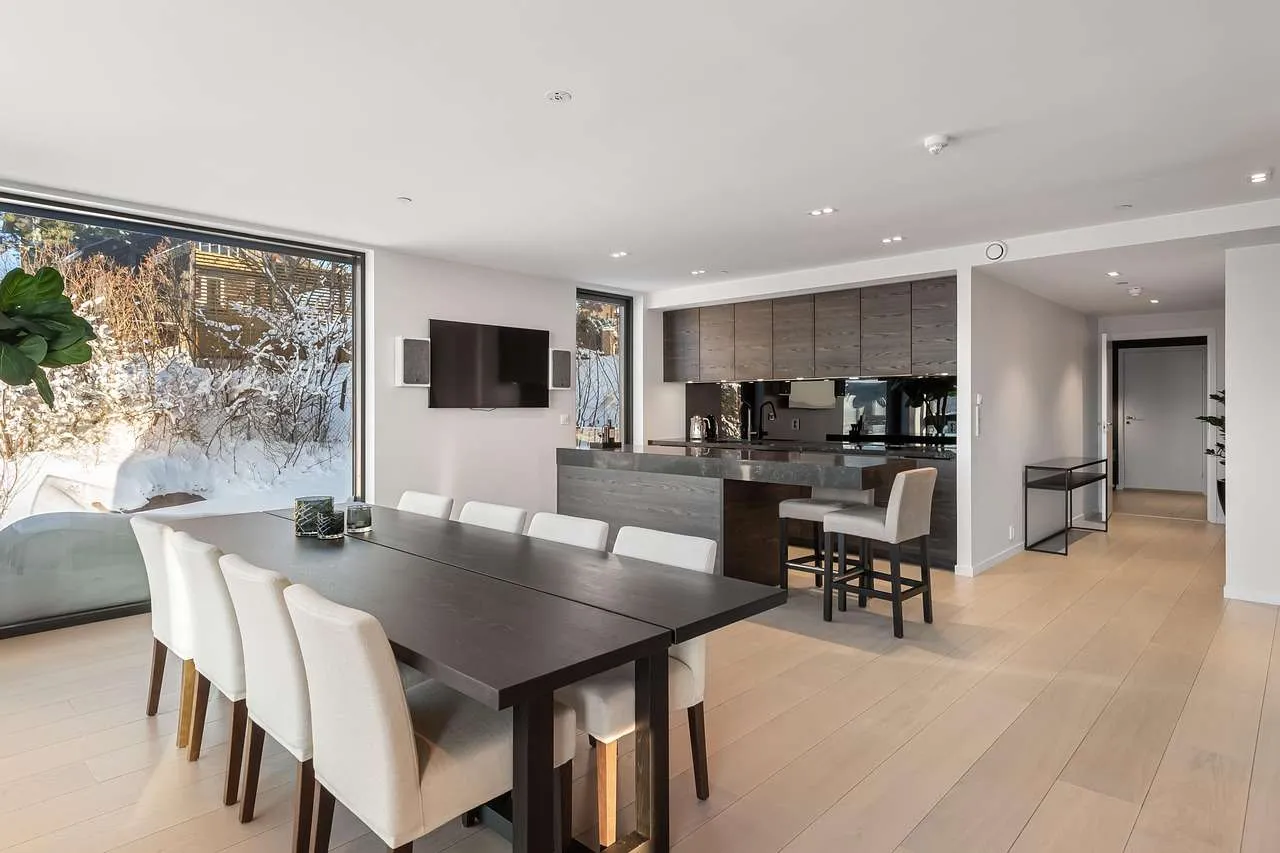
If you're searching "home window tinting near me", you're likely seeking a reliable local solution to reduce heat, glare, and UV damage while maintaining comfort and curb appeal. This guide explains how to choose nearby installers, what tint films offer, and what to expect during installation.
Understanding the local search: why 'home window tinting near me' matters
People search locally to save time, avoid travel, and ensure you work with installers who understand climate, energy codes, and home design in your area. Local providers often offer in-person consultations, on-site measurements, and quicker service windows—critical when you want a fast heat reduction for summer or improved privacy for ground-floor rooms.
Key credentials to look for in a local tinting pro
Because window film installation affects comfort, safety, and home value, choose a company with credible credentials. Look for:
- Licensed and insured contractors
- Factory-trained or certified installers
- Clear, written warranties on film and workmanship
- Solid customer references and a verifiable portfolio
- Transparent pricing and expectations about performance (UV protection, heat rejection)
Window film options: what to know before you buy
Different films offer different blends of heat rejection, UV protection, appearance, and price. Here’s a quick comparison to guide discussions with your local expert.
| Film Type | Typical Cost per sq ft | Heat/UV Benefits | Appearance & Privacy | Drawbacks |
|---|---|---|---|---|
| Dyed | $5–$7 | Moderate heat rejection; blocks many UV rays | Darkens interior; varied tint | Fades over time; less durable |
| Metalized | $6–$10 | Excellent heat rejection; strong UV protection | Reflective/metallic look; can affect transparency | Potential interference with devices |
| Ceramic | $8–$12 | Excellent heat rejection; non-conductive | Clear, natural appearance; high privacy options | Higher upfront cost |
| Carbon | $6–$9 | Strong heat rejection; good color stability | Matte, rich appearance | Mid-range price |
| Laminated Safety | $10–$15 | Shatter resistance; good UV block | Excellent privacy; limited colors | Costlier; bulkier installation |
Performance expectations by room and window
Sun exposure varies by orientation and shading. For large south- or west-facing windows, prioritize higher heat rejection films. For bedrooms, balance privacy and light with appropriate VLT (visual light transmission). Your installer can run a climate-specific estimate that factors glazing type, glass color, existing coatings, and shading from nearby trees or overhangs.
Installation process and timeline
A quality home window tinting project typically follows these steps:
- In-home consultation and measurement
- Film selection guided by energy goals, privacy, and aesthetics
- Preparation: cleaning glass, removing old film if present
- Careful film application with controlled environment to avoid air pockets
- Drying, curing, and inspection; some films require a short curing period
Expect 1–2 days for most single-story homes and longer for multi-story houses or complex glazing. A reputable installer will provide maintenance tips—avoid abrasive cleaners and use a squeegee-friendly approach to keep edges sealed.
Costs, ROI, and value
Costs vary with window size, film type, and labor rates. A ballpark range for residential tint projects is typically per square foot, with higher-end films delivering greater energy savings and better UV protection. In many climates, the energy savings can offset a large portion of upfront costs within 3–7 years, especially on windows with high solar gain. Ask your installer for an energy savings estimate or a heat-reduction report based on your home’s specifics.
Legal considerations and local regulations
Local and state rules may regulate window film darkness, especially on front-facing windows and in vehicles. Some jurisdictions cap VLT or require reflective films to meet safety or aesthetic standards. Your tinting professional should be familiar with your region’s codes and help you select compliant options while preserving performance.
How to choose a trusted provider near you
To ensure you find a reliable "home window tinting near me" service, use a three-step approach: verify credentials, review case studies, and compare warranties. Request sample work or a showroom demonstration, and insist on a written proposal with material details, expected performance, and a clear warranty period. Reading local reviews and asking for references can reveal consistency, timeliness, and post-install support.
Conclusion
Conclusion, selecting the right local installer for home window tinting near me means prioritizing credentials, transparent pricing, and product knowledge. Compare film options to match your energy goals, privacy needs, and aesthetics. A reputable provider will deliver accurate expectations, a solid warranty, and guidance on maintenance, ensuring long-term comfort, UV protection, and value for your home.